Getting fired is awful. Getting fired for doing the right thing is worse. One disgruntled ex-employee shared an origin story that has the potential to turn a perfectly reasonable person into an unstoppable force of petty revenge.
She documented months of theft, handed the evidence to management in good faith, and found herself unemployed and banned from her nearest supermarket before she could even process what had happened. It didn’t take long to realize that she had a case of nepotism on her hands. But she was the one laughing all the way to the checkout counter in the end.
Karma comes in many shapes and forms, and one employee would soon get her first taste of corporate karma, and it tasted good 
A woman was fired from her retail job after reporting theft by a colleague to her manager, but it turns out the thief was the manager’s nephew
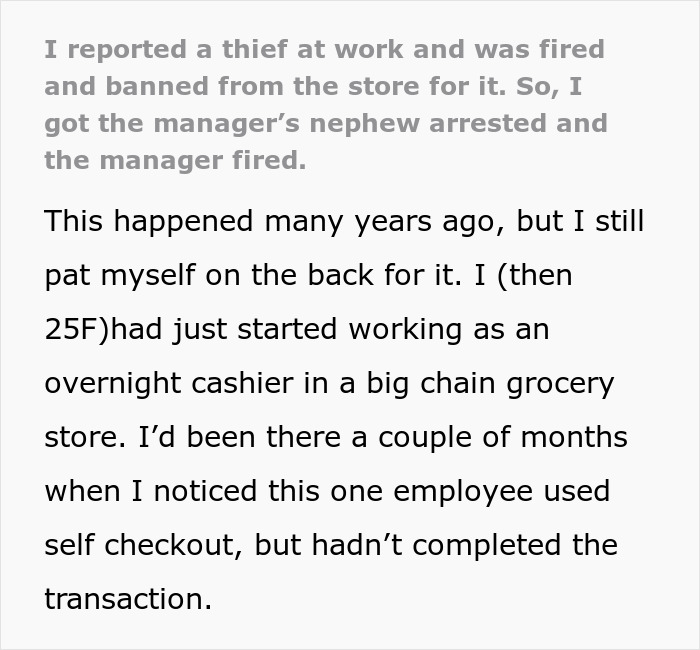

The disgruntled employee went over the manager’s head and reported the whole thing to corporate

She had the receipts, and corporate made sure both the perpetrator and his aunty/manager would be out of a job

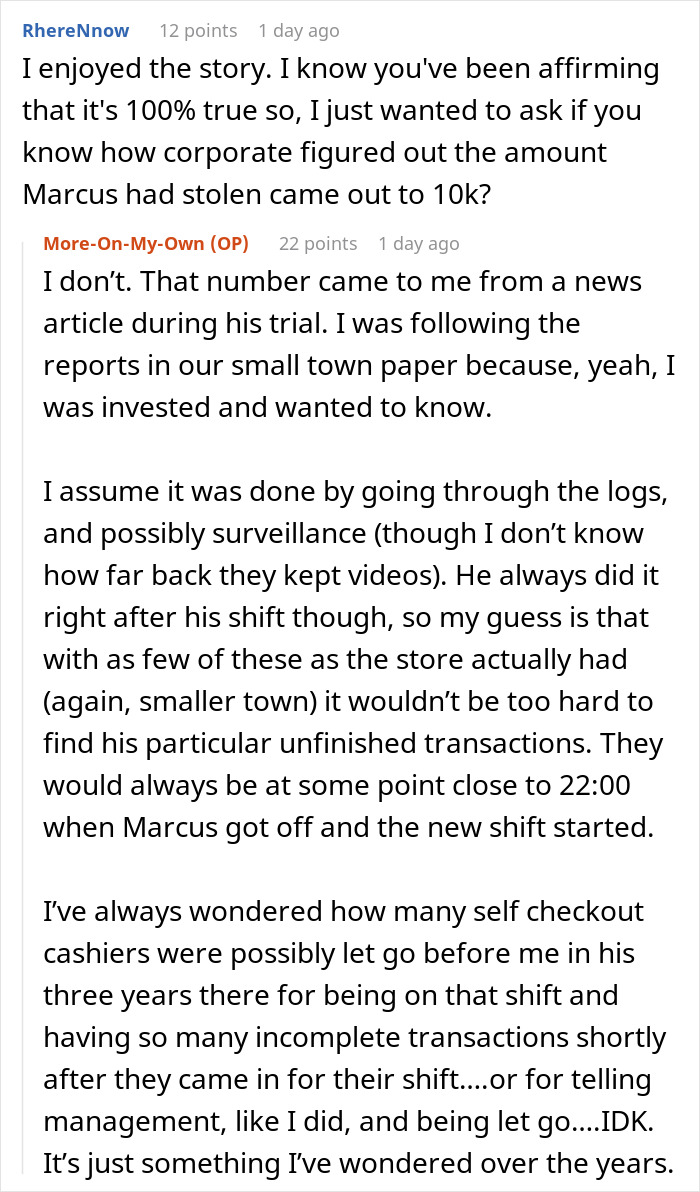
It turns out, his small-scale thieving added up to more than $10,000 in stolen goods over the years, enough to land him in jail

Karma came in the form of a checkout job for the nepotistic manager, sending her straight to the bottom of the employment ladder

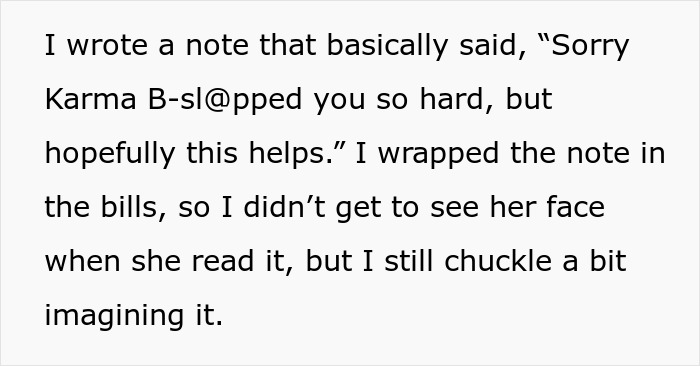
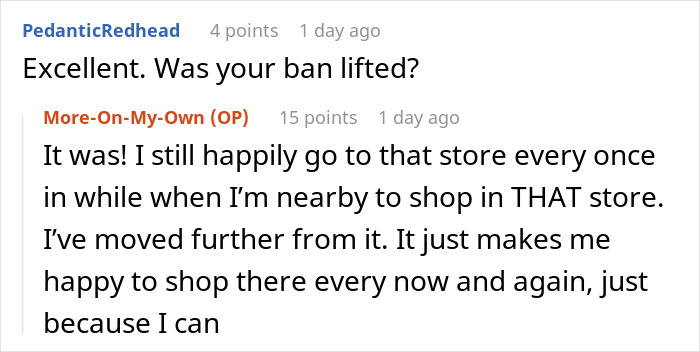
The employee decided to leave her former boss a cash tip and a little note, making sure she gets the last say

Criminologists call this the ‘broken window theory,’ saying people are more likely to commit larger crimes if they already get away with small ones
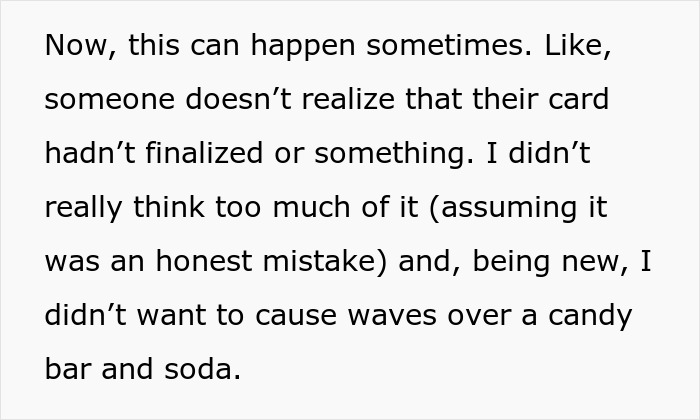
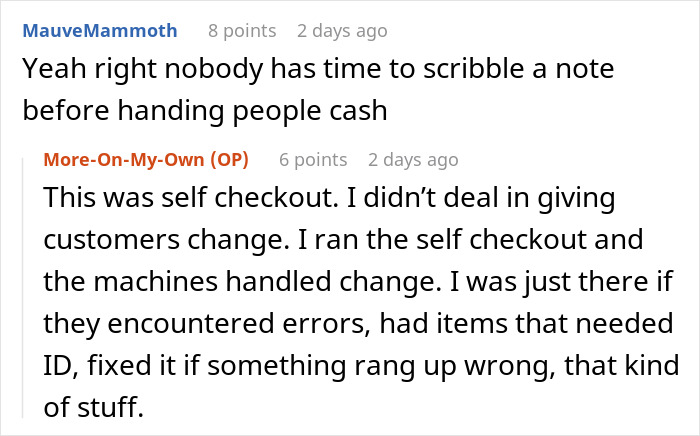
What Marcus was doing with the self-checkout might have looked small in isolation. A candy bar here, a soda there, $30 worth of groceries on a slow night. The kind of thing that feels too minor to make a fuss about, which is exactly why it kept happening.
Criminologists call this broken windows theory, the idea that small, repeated violations create an environment where larger ones feel increasingly acceptable. People start to feel safe committing bigger crimes if small rules and infractions get ignored. Over three years, those small acts of theft added up to over $10,000 worth of merchandise and a felony conviction.
Although she wasn’t exactly an Edward Snowden-level whistleblower, she still suffered retaliation at the hands of ‘the man.’ Whistleblower protection laws exist specifically to shield workers from exactly this kind of outcome, covering situations where an employee reports illegal, unethical, or unsafe practices and faces firing, demotion, or harassment as a result.
OSHA runs a dedicated whistleblower protection program covering over twenty separate federal statutes, and while retail theft reporting does not always fall neatly under federal jurisdiction, the principle is the same. You should not lose your job for doing the right thing. She did, which is why corporate’s response when she finally reached them was so swift and so thorough.

Nearly 70% of workers believe nepotism is widespread in their workplace, and 45% say they have personally lost opportunities to candidates with family connections. Between 54% and 61% of employees report that nepotism directly damages team morale, trust in leadership, and diversity efforts. This means Loraine was just part of a much larger statistic. The damage she caused to the store and to a new employee confirms this trend.
Then Loraine made the single worst decision available to her. She fired the cashier, and then she banned her from the store. This triggered what internet culture has dubbed the Streisand Effect, named after Barbra Streisand’s 2003 attempt to suppress photos of her Malibu home, which resulted in the photos being viewed by hundreds of thousands of people who had previously had no interest in them whatsoever.
The principle is simple: Trying to suppress information almost always draws more attention to it than ignoring it would have. By turning her away at the door with no groceries, Loraine sent her home with nothing to do but open her laptop and find every backed-up photo she had ever taken of those tampered records.
Science always has the last laugh, and in this case, it was the delightful biological outcome of karma. Seeing justice served, or serving it yourself, triggers a neurochemical response. Dopamine, serotonin, and oxytocin all show up to the party, producing a deep sense of fairness and social connection. The brain is wired to reward the experience of right things happening to the right people.
Do you think this karma was well deserved, or should Loraine have been allowed to redeem herself? Share your thoughts in the comments!
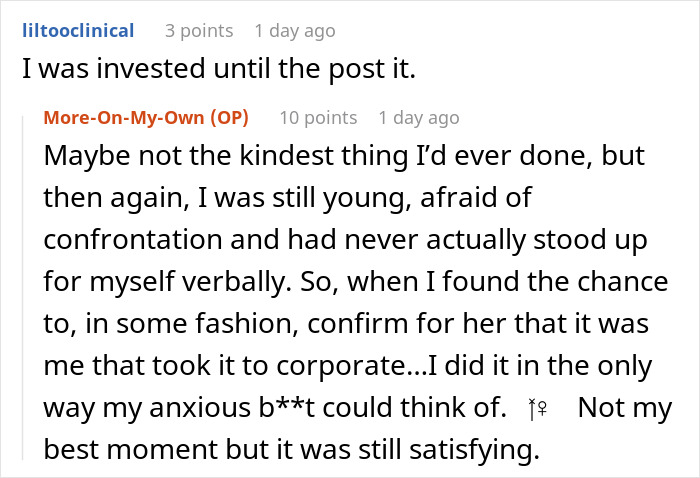
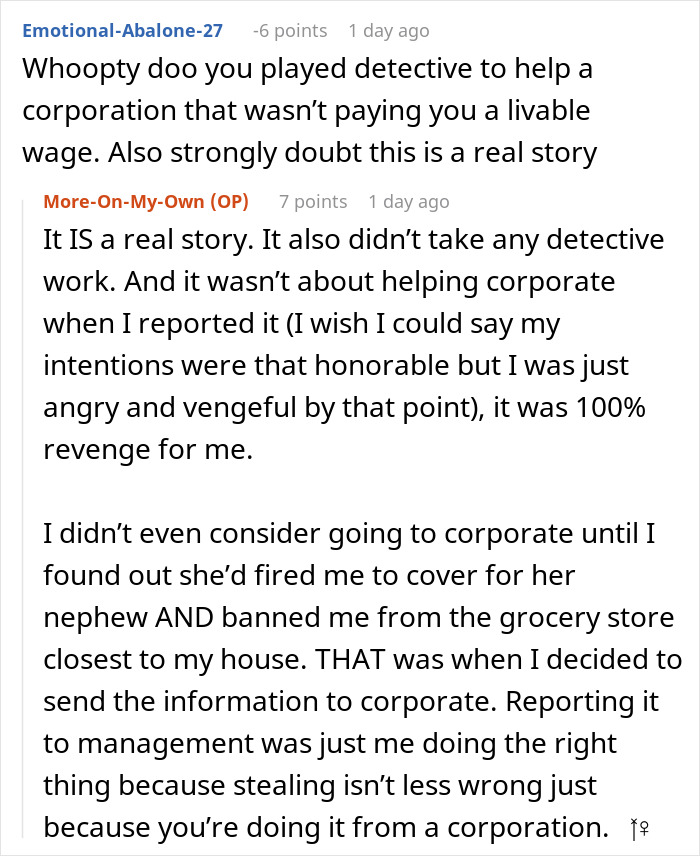
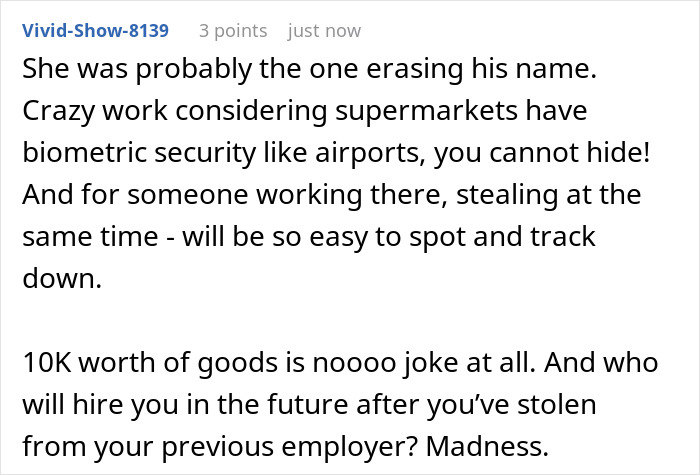
People in the comments also couldn’t help but rejoice in the karmic twist, saying they would have acted the same


















from Bored Panda https://ift.tt/jpXTG91
Comments
Post a Comment
thank you